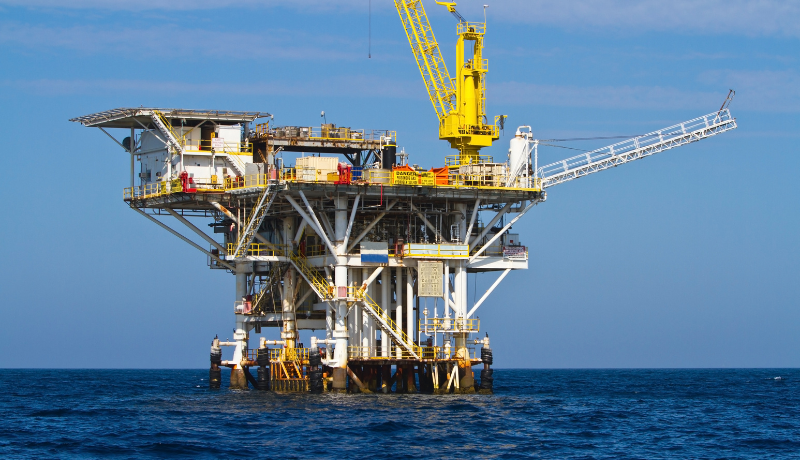
The US government has taken a first formal step toward the possible reactivation of offshore oil and gas leasing off the California Coast. This decision could represent a significant change in the country's energy policy, reopening a long-standing debate between the federal government and one of the states that is least willing to use fossil fuels. The Department of the Interior, through the Bureau of Ocean Energy Management (BOEM), has initiated a public consultation process to assess industry interest and the potential environmental, social, and economic impacts of new offshore leases in the southern and the state’s central regions.
While this does not imply a final decision on future drilling, it represents the first concrete step towards possible auctions of oil leases in California's federal waters. This has not occurred since the mid-1980s. The process is part of a broader plan from President Trump's administration to increase fossil fuel production in the United States.
Context: Energy, politics, and background in California
The potential reopening of offshore leasing is part of the Trump administration's “energy dominance” agenda, which aims to strengthen US energy security by increasing domestic oil and gas production. With this in mind, the Department of the Interior considers expanding access to offshore resources to be a key tool for reducing energy dependence and strengthening the economy.
However, California is a special case as it has had strict environmental policies and ambitious climate goals in place for decades. In addition, there is strong public opposition to offshore drilling. Much of this opposition has historical roots, particularly following the 1969 oil spill in Santa Barbara, which prompted significant environmental reforms in the United States and bolstered coastal protection in California.
In terms of production, the state's offshore oil sector has been in decline for some time. Oil production in California peaked in the late 1980s, exceeding one million barrels per day. Since then, it has declined steadily. According to data from the Energy Information Administration, in October, state production stood at around 248,000 barrels per day. Most existing offshore platforms operate under permits issued before the 1990s, and no new platforms have been approved in federal waters off the California coast for decades.
Nationally, federal waters accounted for around 14% of US oil production in 2024. However, Pacific leases contributed only 0.1% of that total, reflecting California's limited involvement in the country's offshore production today.
First steps in the offshore leasing Process
On January 26, BOEM issued two Calls for Information and Nominations covering offshore areas in southern and central California. These calls invite both the oil and gas industry and the general public to submit comments for 30 days. At this initial stage, input is requested on the environmental conditions of the areas, potential social and economic impacts, and commercial interest in future leases.
The areas under review include two large marine regions. The first area is located in the south and extends from the U.S.-Mexico border to beyond Morro Bay, northwest of Santa Barbara. The second zone is the central region, continuing northward to Point Arena, an area northwest of San Francisco. According to BOEM, these areas have significant resource potential that warrants further analysis within the federal planning process.
This step comes before the completion of the Department of the Interior's next five-year offshore leasing program, announced in November. The 11th National Offshore Oil and Gas Management Program would begin in late 2026 if approved by Congress and the president. If it proceeds as planned, the first offshore lease sales off California could take place in 2027.
State opposition and regulatory challenges
The reaction in California has been quick and decisive. Governor Gavin Newsom, state regulators, and environmental groups have condemned the initiative, explaining that it puts marine ecosystems, coastal economies, and public safety at risk. Environmental organizations have warned that reopening offshore leasing exposes communities and natural habitats to potential spills and irreversible damage.
Furthermore, while offshore leasing is under federal jurisdiction, California retains significant control over coastal permits, onshore infrastructure, and the pipelines needed to transport oil to land. This gives the state some key tools to block or delay projects. A recent example of this was an attempt by a Texas-based company to reactivate inactive platforms in the Santa Barbara Channel. Despite federal backing, California's refusal to grant the necessary permits ultimately stopped the project.
Given this, the Trump administration's decision could set the stage for a new dispute between the federal government and California. If the leasing process moves forward, it will likely face years of environmental reviews, legal disputes, and regulatory hurdles before drilling can begin.
Contact us for information about ClearBlue's coverage of clean fuels markets in North America.