On February 26, UNFCCC announced that a UN body approved the first-ever credits to be issued under the Paris Agreement’s centralized UN carbon crediting mechanism (often referred to as the Paris Agreement Crediting Mechanism or PACM). Article 6.4 will now see it’s first tangible test of how it will function in practice.
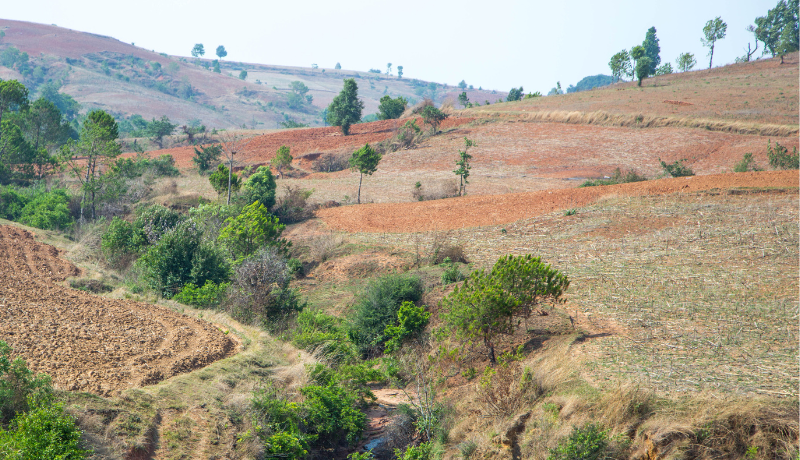
The inaugural issuance comes from a clean-cooking programme in Myanmar that distributes improved cookstoves to reduce household air pollution and (via reduced fuelwood demand) pressure on forests.
Conservative Accounting Sets the First Precedent
The headline for carbon market credibility is not just what was credited, but how much the volume was constrained. Supervisory Body Chair Mkhuthazi Steleki noted that updated values and more conservative calculations were applied, resulting in credited reductions roughly 40% lower than under older systems.
That tightening matters because cookstove credits have long been among the most scrutinized categories in the voluntary carbon market, particularly around stove usage assumptions and the fraction of non-renewable biomass (fNRB).
The key factor is fNRB. It estimates how much of the wood used before switching stoves came from forests that would not naturally regrow. The higher that estimate, the more credits a project can claim. Under the UN’s updated CDM default values, the standardized fNRB applicable to the project is 36 percent, down from levels around 90 percent commonly used under older CDM assumptions. In short, stricter calculations were used so each credit reflects a more conservative climate benefit.
It is safe to say that that project types with a history of debate are likely to face stricter quantification rules and more conservative assumptions under Article 6.4. Rather than maximize credit volumes, it seems Paris-aligned issuances will prioritize environmental safeguards.
Where these credits can go and what that implies for demand
Myanmar has authorized the credits for international transfer, with the Republic of Korea expected to use the majority toward its NDC and domestic ETS, while the remainder Myanmar will retain for their own NDC. The project has also been authorized for potential use under CORSIA.
More broadly, Article 6.4 credits carry built-in deductions that affect net supply. The mechanism includes a mandatory 5 percent share of proceeds directed to the Adaptation Fund, as well as a minimum 2 percent cancellation requirement for overall mitigation. As a result, headline issuance does not equal net deliverable volume. Simply, fewer units ultimately reach the market than the initial issuance number suggests.
Implications for Compliance and Voluntary Carbon Markets
For compliance markets, this first issuance is meaningful less because of near-term volume and more because it shows a pathway from a UN crediting mechanism into a domestic ETS.
For voluntary carbon markets, the shift is subtle but important. Credits issued under the Paris system are being calculated more cautiously and reviewed more closely than many legacy credits were in the past. Put simply, the standard is going up. That makes it harder for older methodologies built on more generous assumptions to compete. This is not just a promise of stronger oversight. Article 6.4 already includes a formal process that allows stakeholders to raise concerns or challenge decisions if they believe something does not meet the rules.
What To Watch for Next
Final approval is still subject to a two-week appeal window, so the issuance is not fully settled until that period closes. That said, this is likely the first of many projects moving from the CDM into the Paris system, especially as the Kyoto-era framework winds down under set deadlines. Transitioning projects will need to update their methodologies, and the broader market will continue shifting toward Paris-aligned registries and accounting. The Supervisory Body is clearly leaning toward more standardized, science-based defaults for sensitive parameters like fNRB, which suggests that credit volumes built on looser assumptions are unlikely to carry forward.
Contact us for more information about this news and how it relates to your voluntary carbon markets strategy.