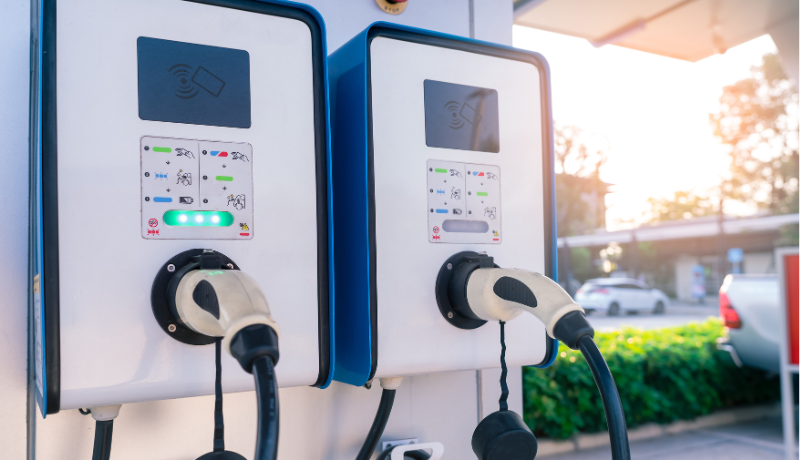
In the first session of our Clean Fuels Markets in Practice series, ClearBlue clean fuels markets experts Michael Berends, Vaibhav Jain, and Thiago Fritsch broke down exactly how businesses can turn regulatory complexity into a new revenue stream.
While Canada’s Clean Fuel Regulations (CFR) impose strict carbon intensity limits on fossil fuel suppliers, they simultaneously create a market opportunity for anyone generating low-carbon energy. Below is a comprehensive, step-by-step synthesis of the webinar’s core learnings, including critical deadlines and revenue estimates.
The Core Opportunity: Decoupling Obligation from Creation
The most critical mechanism of the CFR is that obligation and credit creation are decoupled.
- The Obligation: Primary suppliers (refiners and large importers) must comply with defined Carbon Intensity (CI) for the gasoline and diesel in the Canadian market. Every year this CI will get more and more restricted. They are the buyers.
- The Opportunity: Anyone—not just fossil fuel suppliers—can generate credits by producing low-carbon fuels or facilitating fuel switching (e.g., EV charging) in Canada.
- The Value: With spot prices recently trading around $350–$360 CAD per credit, this is a significant revenue stream.
- The Price Ceiling: It is important to note the Compliance Fund. Buyers can pay into a fund at a set price instead of buying credits. This fund price effectively acts as a price ceiling for the market—if credit prices exceed the fund price, buyers will simply pay the government instead, respecting a 10% obligation limit that can be complied with by paying the fund.
Step-by-Step: Identify Your Compliance Category (CC)
Credit creation is structured into three specific "Compliance Categories." Your first step is determining where your project fits.
CC1: Emission Reductions at Source
- Activity: Projects that reduce the CI of fossil fuels directly along the lifecycle (e.g., Carbon Capture & Storage (CCS), refinery efficiency).
- Stackability Pro Tip: CC1 credits, as other CFR credits, can be stacked with Alberta’s TIER credits or other carbon credits frameworks, considering the CFR perspective. For example, a CCS project in Alberta can generate both TIER sequestration credits and CFR credits simultaneously.
CC2: Low-Carbon Fuel Production
- Activity: Producing or importing low-CI fuels like Ethanol, Biodiesel, Renewable Natural Gas (RNG), or Hydrogen.
- The Gaseous Cap: While liquid biofuels generate Liquid credits, gaseous fuels (RNG, Hydrogen) generate "Gaseous" credits. Buyers are capped at using Gaseous credits for only 10% of their annual obligation.
- Hydrogen Advantage: Hydrogen production is the only pathway that allows "Book and Claim" for electricity. This means producers can buy Renewable Energy Certificates (RECs) to lower their Carbon Intensity (CI) score without a direct physical line to the renewable power source.
CC3: End-Use Fuel Switching (The EV Opportunity)
- Activity: Displacing fossil fuel combustion in transportation (e.g., EV charging, hydrogen refueling).
- Revenue Estimates: Even small fleets can generate significant returns. Based on current pricing, a fleet of just 10 units can generate annually:
- Electric Forklifts: ~$22,000 – $33,000 CAD.
- Light-Duty EVs: ~$10,000 – $27,000 CAD.
- Heavy-Duty Trucks: ~$60,000 – $138,000 CAD.
- Reinvestment Rules: Operators of public charging networks must reinvest 100% of credit revenue into expanding infrastructure. Private fleets (e.g., industrial forklifts) have the flexibility to use revenue as they see fit.
Operational Timeline: The "Hard" Deadlines
Generating the credit is only half the battle; validating it is the other. The regulatory calendar is strict.
- Quarterly Reporting & Provisional Credits: You can submit data quarterly to generate "Provisional Credits." These provide visibility into your generation, but they cannot be transferred until they are verified annually. They are essentially "locked" assets until the annual cycle is complete.
- Annual Verification Cycle: To unlock your credits, you must complete third-party verification.
- April 30: Deadline for fuel producers (CC2) to submit Material Balance and CI Pathway reports. CC3 credit generators must submit an annual credit creation instead and create their CFR credits.
- July 31: The critical deadline for CC2 credit generators to submit the Credit Adjustment Report. This is the step that actually creates the tradeable credits for clean fuel producers.
- Timeline to Cash: Expect a lag. If a project starts operating on January 1st, credits are typically verified and issued by the summer of the following year.
Strategic Market Insights
- Stackability:
- YES: CFR and other Canadians carbon and fuel frameworks clearly state that you can stack CFR credits with their credits, for example, British Columbia’s LCFS and Alberta’s TIER system, assuming the project is eligible both on the CFR and the additional program. Other carbon credits frameworks are also accepted from the CFR perspective, but the framework eligibility needs to be addressed to confirm stackability from both ends.
- NO: You cannot stack CFR credits with the California LCFS—both markets have geographic boundary restrictions that prevent the credit generation in both markets using the same clean fuel.
- The Aggregator Advantage: For individual EV fleet owners, the cost of verification and administrative management can outweigh the credit revenue. Aggregators (like ClearBlue) pool these assets to handle registration and verification, charging a success fee only when credits are sold.
Read also: ClearBlue’s EV Credits Aggregator: Driving Sustainable Change
Missed the webinar? This was just Part 1.
 Join us for the future sessions in our Clean Fuels Markets in Practice series for a look at price forecasting and Carbon Capture strategies.
Contact us to learn how ClearBlue can help you turn carbon complexity into revenue.
